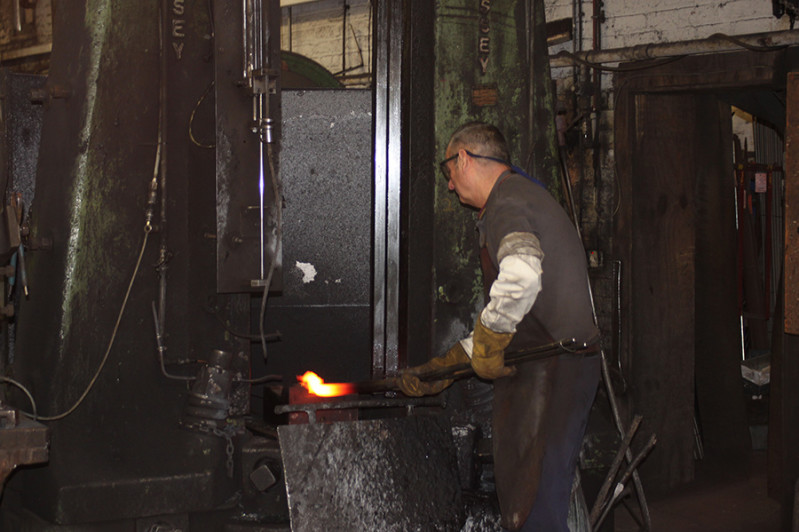
Drop forging is the process of heating metal and shaping it using a metal die to produce strong, precise components. It is one of the oldest metalworking techniques, with origins dating to approximately 8000 BC. Today, manufacturers across many industries rely on drop forging to create durable, long-lasting parts.
Materials
Components can be manufactured from a wide range of metals including aluminium, brass and various grades of steel — each selected for the strength, weight and corrosion resistance requirements of the application.
Open-Die Drop Forging
Open-die forging shapes heated metal between upper and lower dies, with each press creating a new form. The metal is never fully enclosed — meaning the forger has freedom to work the material from multiple angles. This technique is typically reserved for larger, simpler parts.
Closed-Die Drop Forging
Closed-die forging is the more widely used method, enabling manufacturers to produce smaller, more intricate components with tight tolerances. Parts are formed by heating the billet and pressing and hammering it into metal dies until the cavity is completely filled. Typical products include climbing equipment, seat belt buckles, spanners, fuel pipe connectors and aerospace structural components.
Simple parts may require only a single press stroke. More complex components require multiple strokes using edging, blocking and finish forging in sequence.
Industries That Rely on Drop Forging
Drop forged components are essential across:
- Aerospace — structural and engine components requiring certified material properties
- Automotive — suspension, transmission and engine parts
- Saddlery — bridle fittings, stirrups and buckles
- Motorcycle — frame and engine components
- General engineering — hydraulic fittings, connectors and brackets
Victoria Forgings has been producing precision drop forgings since 1904. Contact us to discuss your requirements.