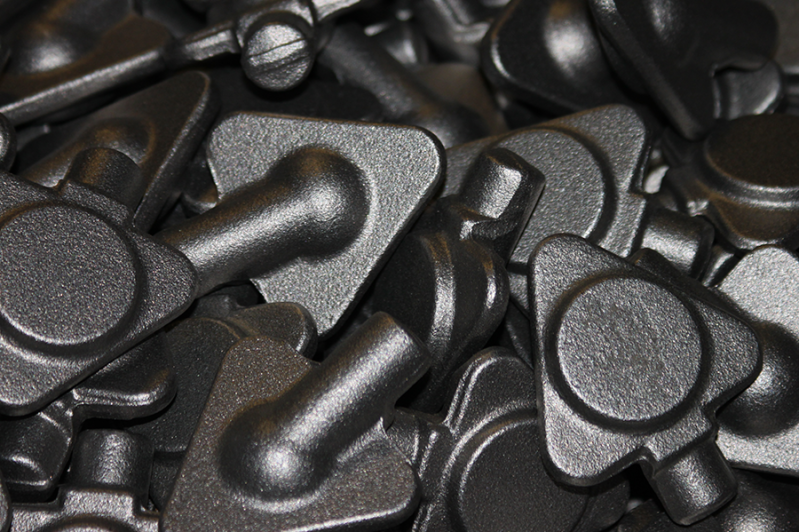
Following on from part one of the closed-die forging process series (mould design), we look at another critical step: selecting the right material for the job. Metal selection directly affects the strength, weight and performance of the finished forging.
Advising the Client
Victoria Drop Forgings offers guidance based on extensive in-house experience. Our team discusses material options with each client and can conduct testing to verify whether a specification suits the intended application. Where clients have already determined their material requirements, we respect that decision while remaining available for consultation.
Aluminium
Aluminium offers low density, high strength and easy machinability for closed-die forging. Aluminium forgings tend to be lightweight, making them ideal for automotive and motorcycle applications where strength-to-weight ratio is critical.
Stainless Steel and Carbon Steels
Steel grades serve more demanding applications such as fuel lines and hydraulic connectors. These materials excel where corrosion resistance and structural integrity under pressure are essential. Their versatility makes them suitable across a wide range of industrial and aerospace applications.
Copper
Copper-forged components provide excellent electrical conductivity and are commonly specified for electronic components. Copper also withstands high temperatures and greater mechanical loads compared to many alternatives.
Victoria Forgings has provided professional forging services since 1904, working with clients across aerospace, automotive, agricultural and general engineering sectors. Contact us to discuss your material requirements.